
Blocked Drain in Sorocaba? What a Desentupidora em Sorocaba SP Actually Does
Most guides tell you to call a plumber and wait. What they leave out is the part that matters when you are standing in two inches of wastewater at 11 p.m.: the technician’s first job is not to unclog anything, it is to decide whether your building’s problem is a private branch or the public collector. That single call changes the tool, the price and who is legally responsible. As a support technician who has handled these tickets for years, I will walk you through the real sequence behind a desentupidora em Sorocaba SP callout, from the questions you will be asked on the phone to the checks you should make before the van leaves.
What a Desentupidora em Sorocaba SP Needs From You Before the Van Arrives
The intake call is where most jobs are won or lost. A good dispatcher will not just ask “what is blocked?” — they will ask which fixtures are backing up, whether the water rises in the shower when you flush, and whether the smell is inside or outside. Those answers separate a sink trap from a main line faster than any camera.
Have three things ready before you dial. First, the exact address and whether the property is a house, apartment or commercial kitchen. Second, the nearest access point: a cleanout lid, a floor drain, a manhole in the sidewalk. Third, whether anyone has already poured chemical drain cleaner down the line. That last detail matters because caustic products can sit in the pipe and injure a technician who opens a cleanout without warning.
The questions that decide the tool
- Is the backup isolated or building-wide? One slow sink is a branch line; multiple fixtures gurgling points to the main.
- Is there standing water outside? A overflowing manhole suggests the public network, which changes the scope.
- Has the line been jetted before? Old cast-iron or clay pipes may need lower pressure to avoid damage.
Write down the answers. When the team from a desentupidora Sorocaba arrives, that same information lets them skip the exploratory phase and go straight to the right access point.
The Procedure, Step by Step, and What to Check Before You Pay
Here is the sequence I have watched work on everything from a restaurant grease line to a condominium’s aged sewer branch. It is not glamorous, but it is predictable — and predictability is what you are paying for.
1. Access and inspection
The technician opens the cleanout or lifts the manhole cover and looks before touching a machine. If the water is clear and odourless, the blockage may be further downstream; if it is dark and greasy, a kitchen line is the likely source. Many crews now run a small camera first on repeat callouts, because guessing at a blockage that keeps returning wastes everyone’s afternoon.
2. Mechanical clearing
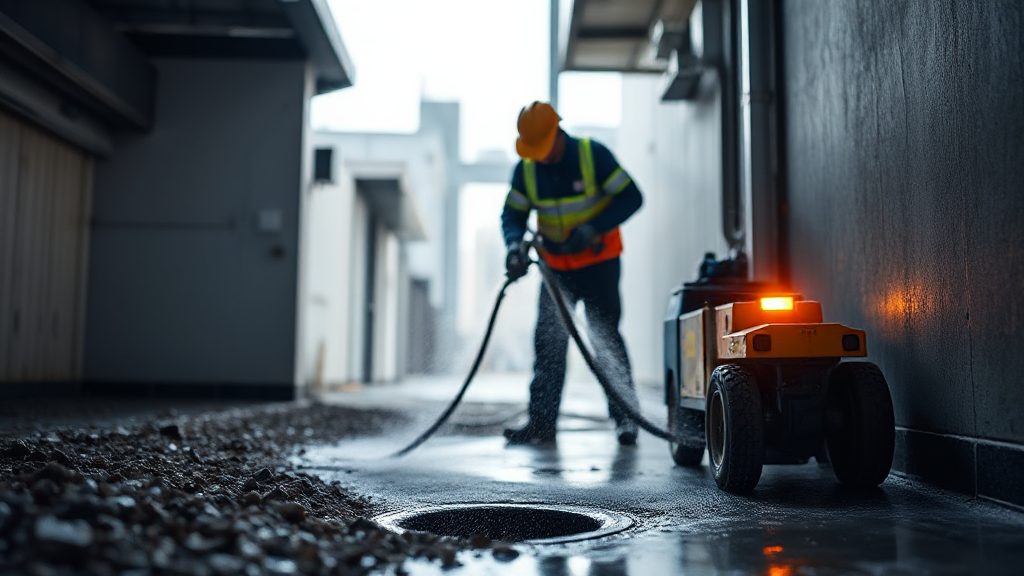
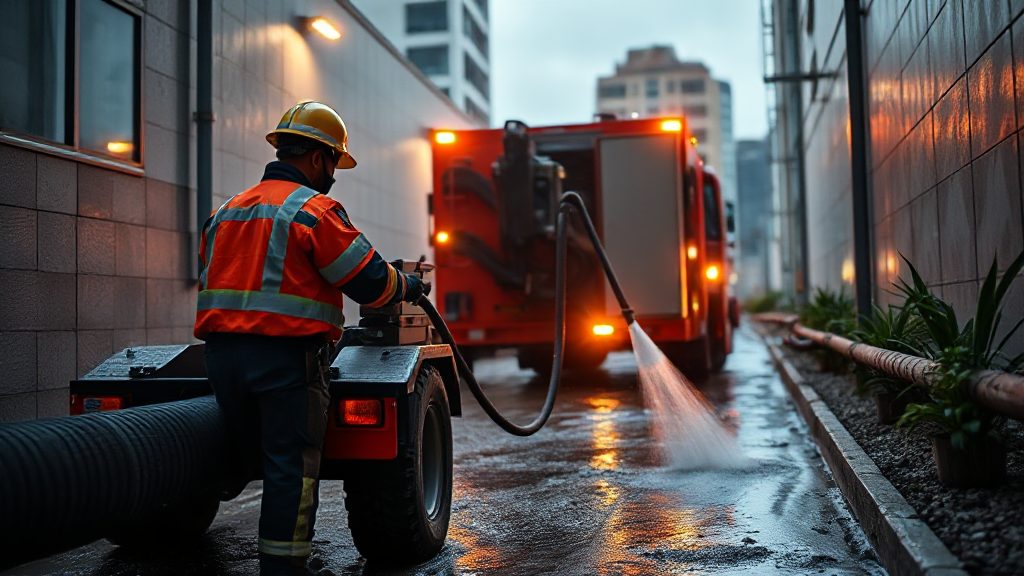
A manual auger or an electric snake is used for branch lines and short runs. For main lines, the tool is usually a high-pressure jetter: a hose with a forward-facing nozzle that scours the pipe wall rather than just punching a hole through the clog. This distinction matters. A snake opens a channel; jetting removes the grease and scale that caused the blockage in the first place.
3. Confirmation and cleanup
Before packing up, the crew should flush the line and watch the water drain freely at the furthest fixture, not just the nearest one. Ask them to show you. A drain that clears at the cleanout but still gurgles in the kitchen was not fully cleared.
What to check before you sign
- Confirm the price quoted on the phone matches the invoice, including any after-hours surcharge.
- Ask whether the service includes a short warranty period for the same blockage.
- Get a written note of the access point used and any pipe section flagged as fragile.
- If a camera was used, ask to see the footage or a photo of the cleared line.
One more check: ask whether the blockage was in your private line or the public collector. If it is the latter, the municipality may be responsible for the repair, and a reputable desentupidora Sorocaba SP will tell you so rather than billing you for a problem that is not yours.
The trade-offs nobody mentions
High-pressure jetting is fast and thorough, but it is not right for every pipe. Very old clay or corroded cast iron can crack under full pressure, which is why a careful operator starts low and watches the return water. Chemical treatments are cheaper upfront but can damage seals and rarely solve a recurring grease clog. And a quick snake job is fine for a single hair-filled shower drain, but it will not fix a main line that has been narrowing for a decade.
| Method | Best for | Main limitation |
|---|---|---|
| Manual auger | Sinks, showers, short branches | Does not clean pipe walls |
| Electric snake | Longer branch lines, roots | Can miss grease and scale |
| Hydro-jetting | Main lines, grease, sediment | Needs pressure control on old pipes |
| Camera inspection | Repeat blockages, pre-purchase checks | Diagnostic only, not a clearing tool |
After the van leaves, the useful habit is prevention: a mesh strainer in the kitchen sink, no wipes or cooking oil down any drain, and an annual check on older properties. If the same line backs up twice within a few months, insist on a camera inspection before paying for another clearing. That is the point where a cheap fix becomes an expensive habit.

Leave a Reply