
Your First Time Calling a Desentupidora in República, Gently Explained
If water is rising in your shower drain or your kitchen sink is gurgling back at you, take a breath. A backed-up drain is one of the most common household problems in República, and it is almost never a sign that something is deeply wrong with your home. Hiring help is simpler than it feels, and you do not need to know any technical terms before you pick up the phone.
Most residents in this central São Paulo neighborhood live in older buildings with shared plumbing, so blockages tend to appear suddenly and affect more than one apartment. When you call a desentupidora Santa Efigênia, you are reaching a team that already knows the local pipes, the building styles, and the quickest way to reach you. This gentle walkthrough follows the whole experience in five calm stages, from the first odd sound to the moment the technician packs up and leaves.
Stage One: Noticing the Problem Without Panicking
The first sign is usually small. Water drains more slowly than it used to, or a faint smell lingers near the floor drain after a shower. In República, where many buildings date back decades, older cast-iron and PVC pipes accumulate grease, soap residue, and sometimes tree roots that sneak in through joints. None of this means your building is falling apart.
What matters is noticing early. A drain that is merely slow today can become a full backup overnight, especially in ground-floor units or commercial kitchens. If you see water pooling around a floor drain, hear gurgling from another fixture, or smell something sour near the sink, that is your cue to stop using water in that area and call for help rather than waiting.
It also helps to know what not to do. Pouring chemical drain cleaners down a slow drain can damage older pipes and rarely clears a serious clog. Plunging aggressively can push waste further into the line. The calm move is to stop, note which fixtures are affected, and let a professional take a look.
Stage Two: Making the Call and Describing What You See
When you reach a desentupidora Santa Efigênia São Paulo SP, the person on the phone will ask a few simple questions. Which drain is backing up? Is it just one fixture or several? Is there a smell, and how strong is it? Has this happened before? You do not need precise answers. A rough description is enough for the team to bring the right equipment.
It helps to mention your building type and floor level, whether you rent or own, and whether the problem seems to affect neighbors too. In República, shared stacks and courtyard drains are common, so a technician may ask whether the backup happens only when someone upstairs showers. That detail can point to a blockage deeper in the building’s main line rather than in your own sink trap.
You will also be told what to expect: an arrival window, a rough idea of the visit, and whether the technician will need access to a common area, a shaft, or the street. Ask about the service call fee before the visit so there are no surprises. A good company will explain the pricing clearly and without pressure.
Stage Three: The Technician Arrives and Diagnoses
When the technician arrives, the first few minutes are about listening and looking. They will check the affected drains, ask what you have already tried, and sometimes run a small camera into the pipe to see what is blocking it. This is not a sign that something dramatic is happening; it is simply how a professional avoids guesswork.
Diagnosis usually sorts the problem into one of a few common categories. Grease and soap buildup narrows kitchen lines over time. Hair and lint clog bathroom drains. Food waste and paper block toilets and floor drains. Tree roots and collapsed joints affect older outdoor lines. Once the cause is clear, the technician will explain the fix in plain language and tell you whether it is a quick clearing or something that needs a follow-up visit.
This is also the moment to ask questions. If you are unsure whether the blockage is inside your apartment or in the building’s shared line, say so. A desentupidora em Santa Efigênia São Paulo SP works with both residential and commercial buildings in the area and can usually tell whether the fix belongs to you or to the condominium.
Stage Four: The Work Itself, Explained Calmly
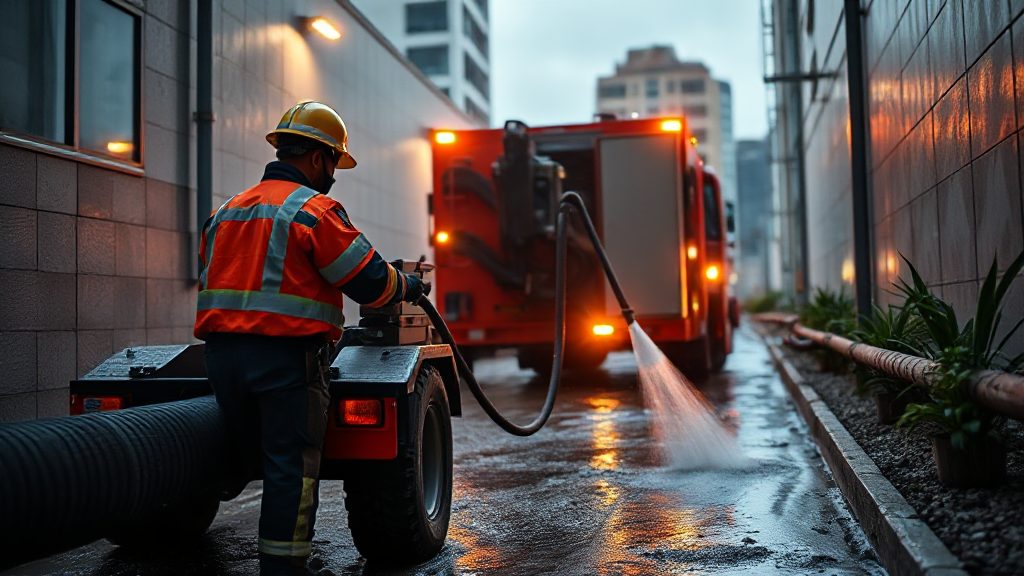
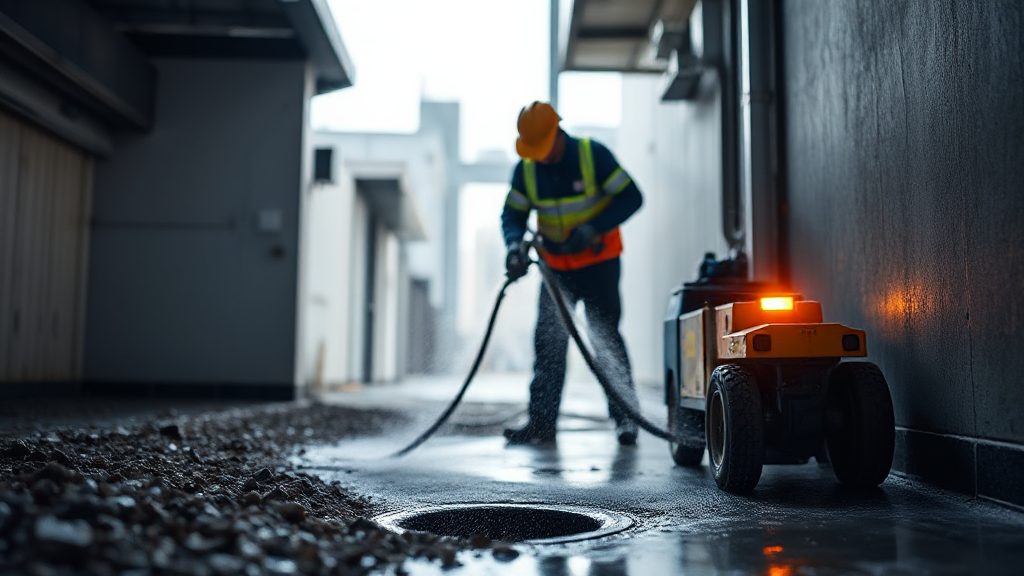
Most first-time visits involve one of two tools. A motorized drain snake, sometimes called a rotor, is fed into the pipe to break up or pull out the blockage. For heavier grease, sludge, or roots, the team may use hydrojetting, which sprays high-pressure water to scour the inside of the pipe clean. Both methods are standard, and neither requires you to leave the apartment.
You may hear noise, and you may see the technician lay down protective covers near the work area. That is normal. If the blockage is in a shared line, the technician may need to coordinate with the building’s maintenance staff or access a common shaft. In República’s older buildings, this coordination is routine, and a good team will handle it without making you feel responsible for the building’s plumbing history.
What should you watch for? Make sure the technician confirms the drain is flowing freely before packing up, and ask them to show you if you are unsure. A clear drain should empty without gurgling or backing up when you run water for a minute or two. If the problem returns within days, call the company back and describe what happened; most reputable firms will stand behind their work.
Stage Five: After the Technician Leaves
Once the work is done, the technician will usually give you a brief summary of what was found and any simple habits that can keep the drain clear. In kitchens, that often means avoiding pouring oil or grease down the sink. In bathrooms, a hair catcher in the shower drain makes a real difference. For older buildings, a periodic preventive check is wiser than waiting for a full backup.
You may also receive a receipt or service note. Keep it, especially if you rent, because it documents that the issue was addressed. If the blockage was in a shared line, share the note with your building manager so the condominium can track recurring problems in the same stack or courtyard drain.
And that is the whole experience. A slow drain, a short phone call, a calm visit, and a clear pipe. You do not need to become a plumbing expert to handle your first emergency in República. You just need to notice early, describe honestly, ask about the fee, and let the technician do the work. The next time a drain misbehaves, you will know exactly what to expect, and it will feel far less intimidating than it did the first time.

Leave a Reply